The Ultimate Guide to Basement Insulation: Comfort, Efficiency, and Protection
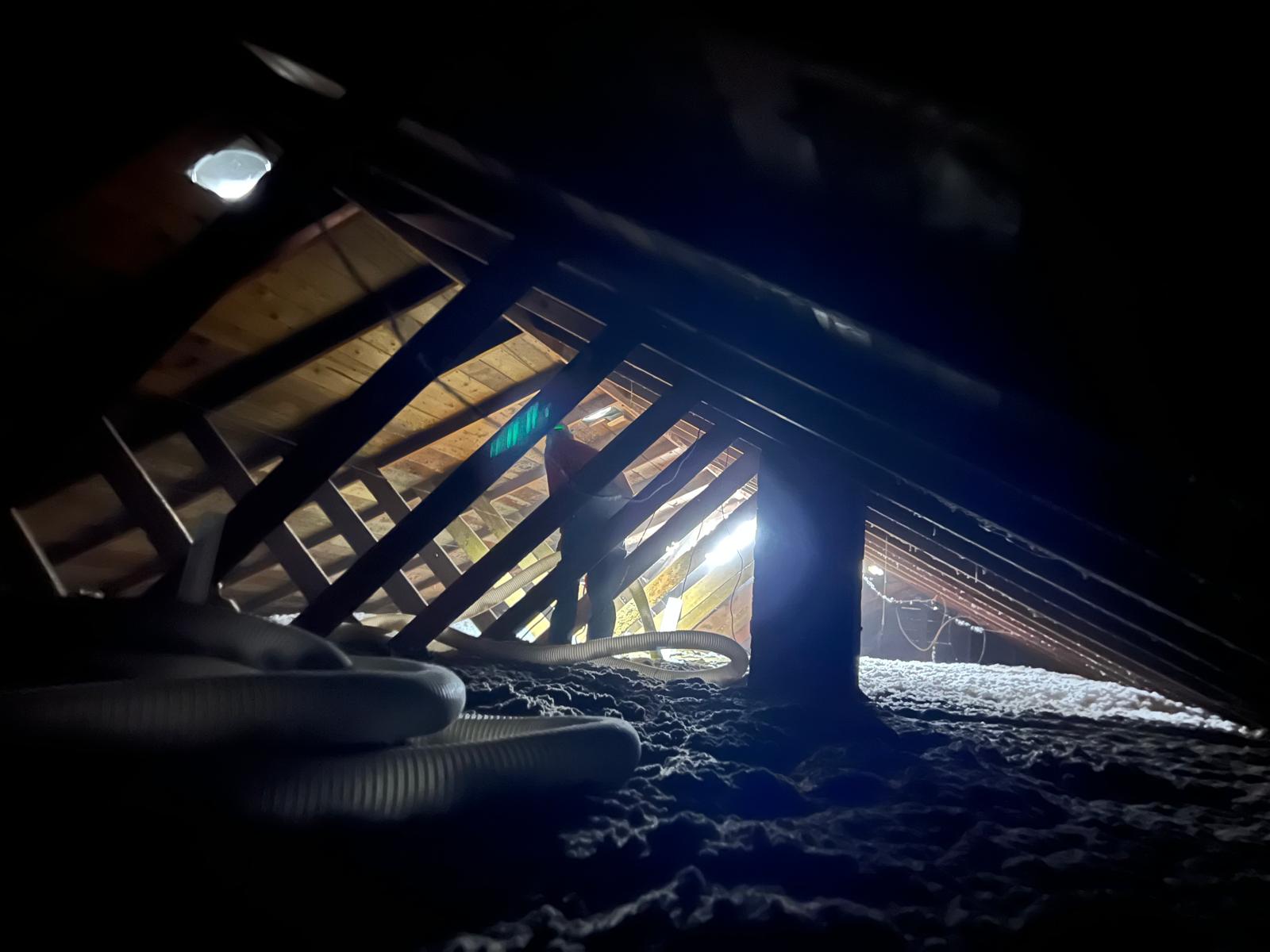
A properly insulated basement is more comfortable, more efficient, and better protected against moisture. But basements demand a moisture-aware approach that's different from attics and above-grade walls.
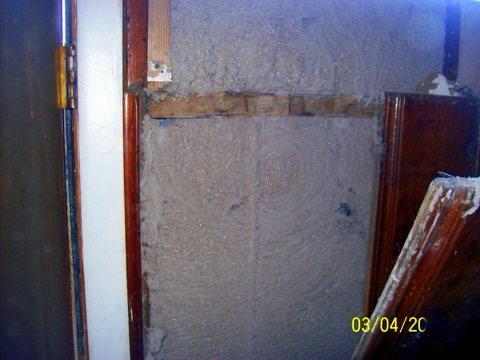
Start with the walls. Rigid foam and closed-cell spray foam are common choices because they resist moisture while providing air sealing and R-value. The goal is to reduce heat loss through the foundation without trapping dampness.
Don't forget the rim joist. This band where the floor framing meets the foundation is a leading source of air leaks and a high-value spot to insulate and seal.
Manage moisture first. Address any drainage or humidity issues before insulating, so you're building on a dry, sound foundation.
Done right, basement insulation turns a cold, wasted lower level into usable, efficient living space. We inspect each basement and recommend the material and detailing that fit.
Ready for a more comfortable, efficient home?
Free estimates from a licensed, family-owned Central Valley insulation contractor since 1982.